Getting to Jasper: Driving from Edmonton, Calgary, and Vancouver Plus Road Tips
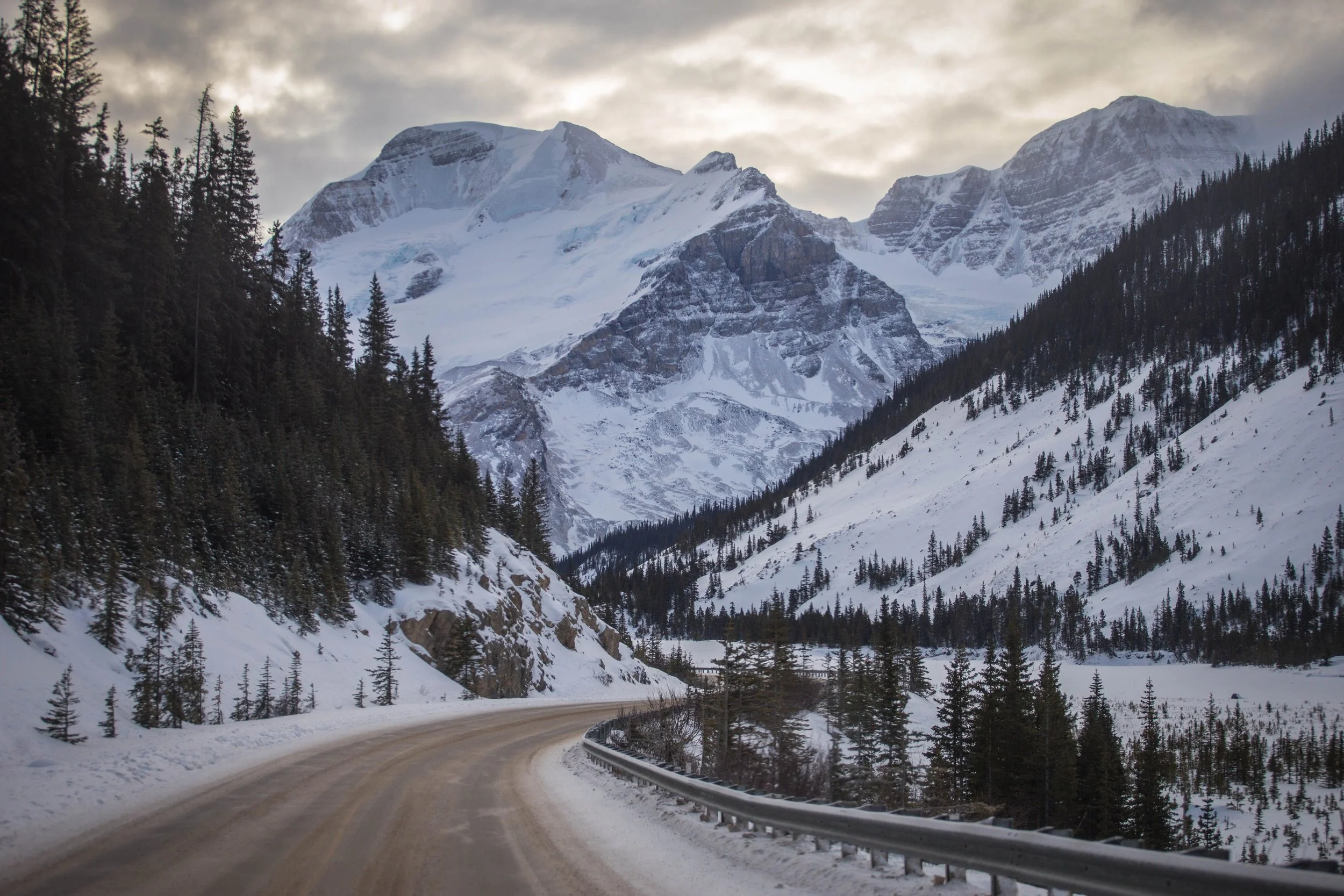
The Icefields Parkway in Winter. All photos in this blog by Megan Posein Photography
Here's the truth: the drive to Jasper isn't all postcard views. From Edmonton or Calgary, you'll earn the scenery. From Vancouver, you get it almost immediately. But no matter where you start, the mountain section of the drive requires real preparation. Weather changes fast. Wildlife doesn't use crosswalks. Gas stations get scarce. This guide skips the fluff and tells you how to arrive safely and actually enjoy Jasper once you're there.
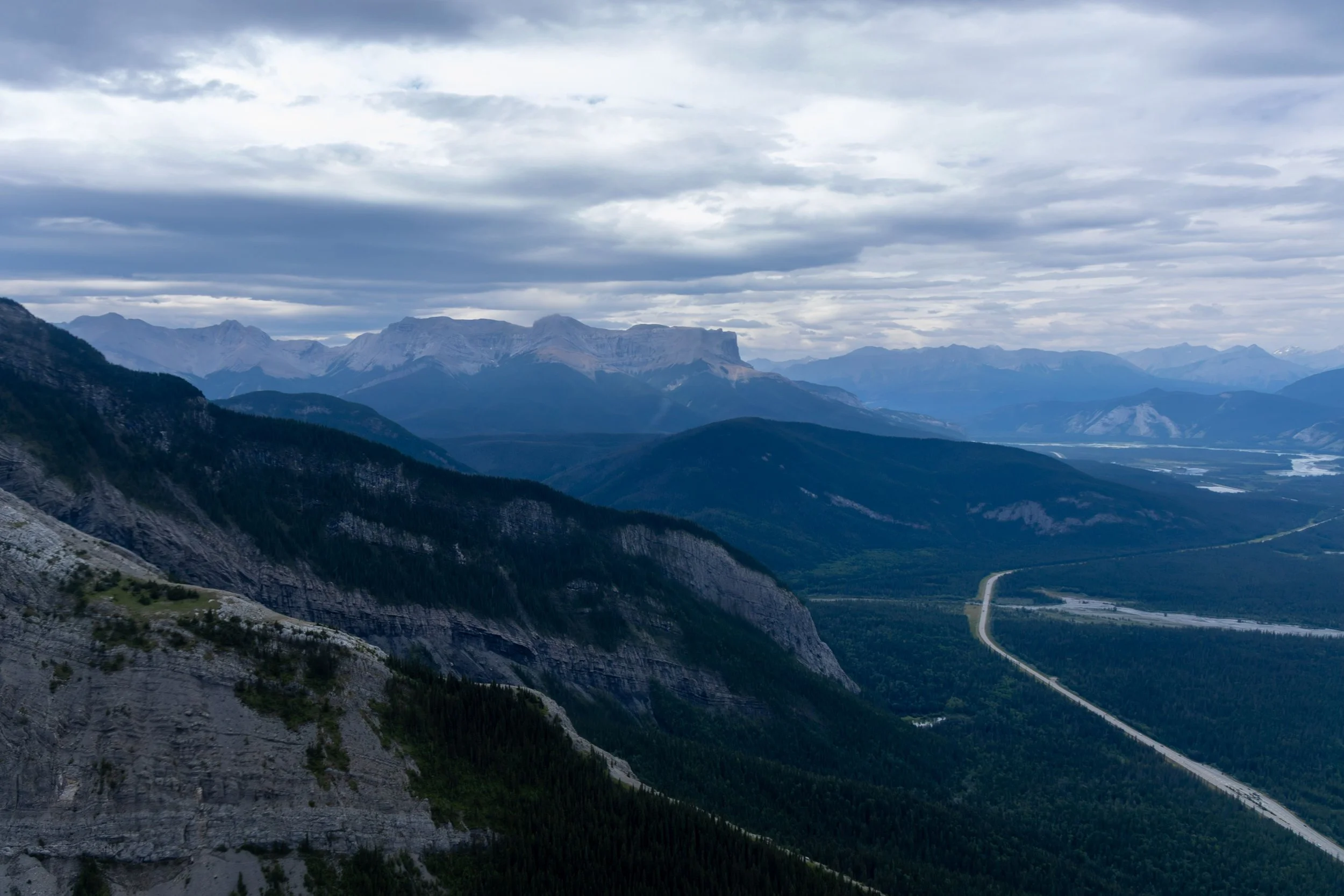
A heli view of Hwy 16 heading into Jasper.
From Edmonton to Jasper: The Direct Route
The drive from Edmonton to Jasper is about 4 hours to the townsite, assuming you don't hit our unofficial welcoming committee: the bighorn sheep. They tend to congregate on the east end of the park as you're coming in, and honestly, they move at their own pace. I like to call them our welcoming committee, but I'll be honest, they're also kind of annoying when you're trying to make good time.
Here's the thing though: expect delays and just accept the slower drive through the park itself. The scenery is genuinely beautiful, and rushing through it defeats the purpose.
You'll also notice RCMP officers sometimes stationed along this section of highway. They're there for a reason; people drive well over the limit through here, which endangers the animals and everyone on the road, especially when conditions aren't ideal. Take a breath. Slow down. The mountains aren't going anywhere.
Gas Strategy from Edmonton
Gas up in Hinton before you head into the park. It's usually cheaper, and you'll need to know this: Jasper is currently (at the time of writing this) down to two gas stations after losing two in the 2024 wildfire. The lines can get really long, especially during peak season. If you do need to gas up in Jasper, go early in the morning or late in the evening to move through more smoothly.
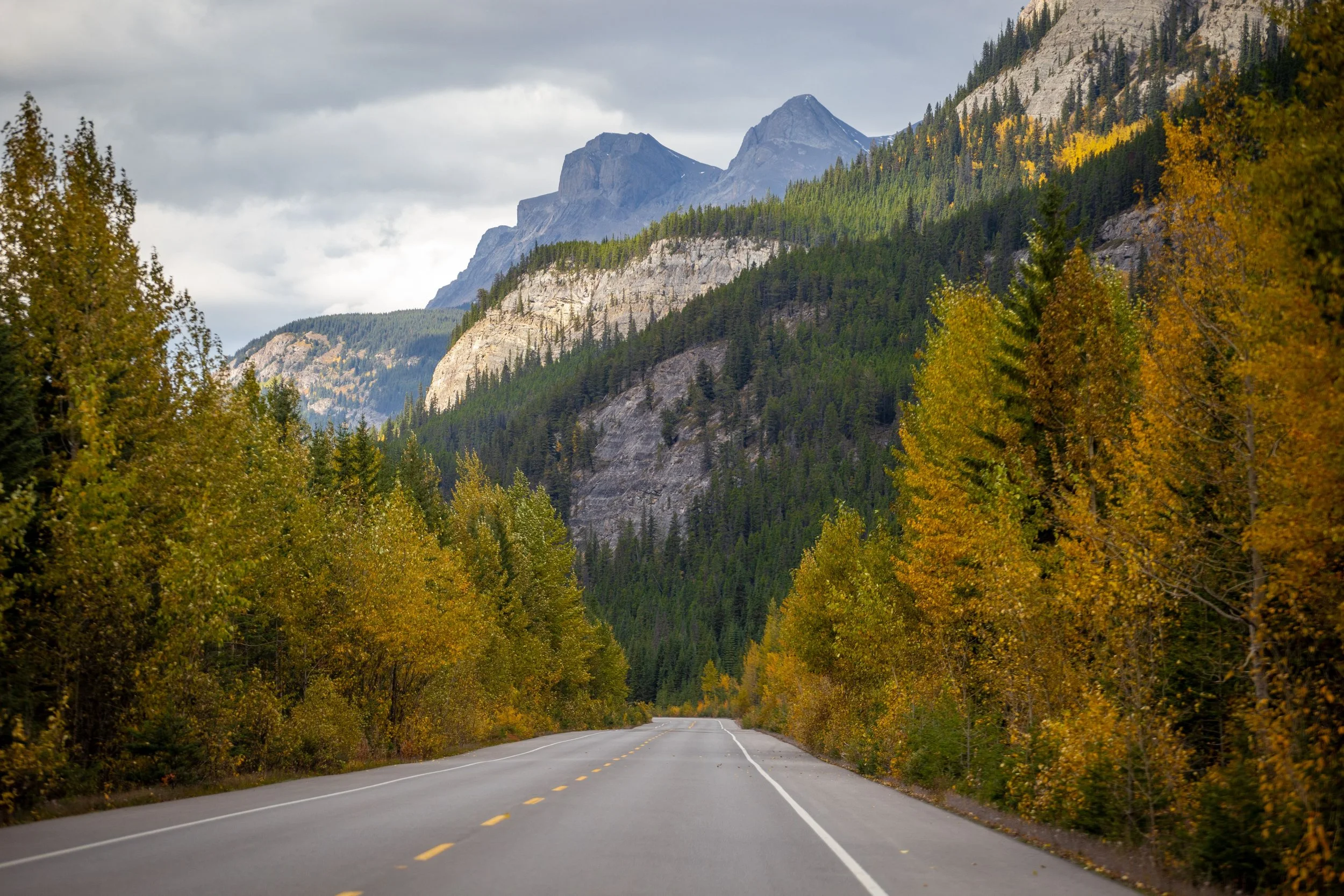
The Icefields Parkway in Fall.
From Calgary to Jasper: The Icefields Parkway Route
Most people driving from Calgary take the Icefields Parkway, and for good reason. It's one of the most scenic drives in the world. That said, apply all the Edmonton tips above: take it slow, expect wildlife jams, and understand that these roads require your full attention.
The Icefields Parkway has long stretches without gas and reception. Be prepared with an emergency kit. The higher elevations can make the road slick even in warmer months; in winter, conditions can become genuinely treacherous. Winter tires aren't optional here; they're essential.
The Scenic Alternative: Rocky Mountain House Route
If you're not in a hurry and want to explore a different area, consider heading toward Rocky Mountain House, then taking Highway 11 through Nordegg as you make your way up to Jasper. This route takes you through beautiful mountain country and gives you access to some really spectacular spots.
Abraham Lake is a famous stop on this route; it's known for its methane bubbles, which are genuinely wild to see. Just be careful and respectful of the ice if you're visiting in winter. Crown land camping is available in this area before you reach the Banff National Park boundary and continue up to Jasper. This route gives you more flexibility to explore without the intensity of the full Icefields Parkway, especially in winter.
Gas Strategy from Calgary
Gas up in Calgary first; it's the cheapest option for fuel before the mountains. Your second option is Banff. If you need gas in Lake Louise or at The Crossing (by the Nordegg turnoff), expect to pay significantly higher prices. These are remote areas, and fuel is pricey.
The Crossing is a good pit stop with a restaurant and café, but expect high prices there too. My honest recommendation: bring your own thermos of coffee and snacks from home instead of buying them on the drive. You'll save money and time.
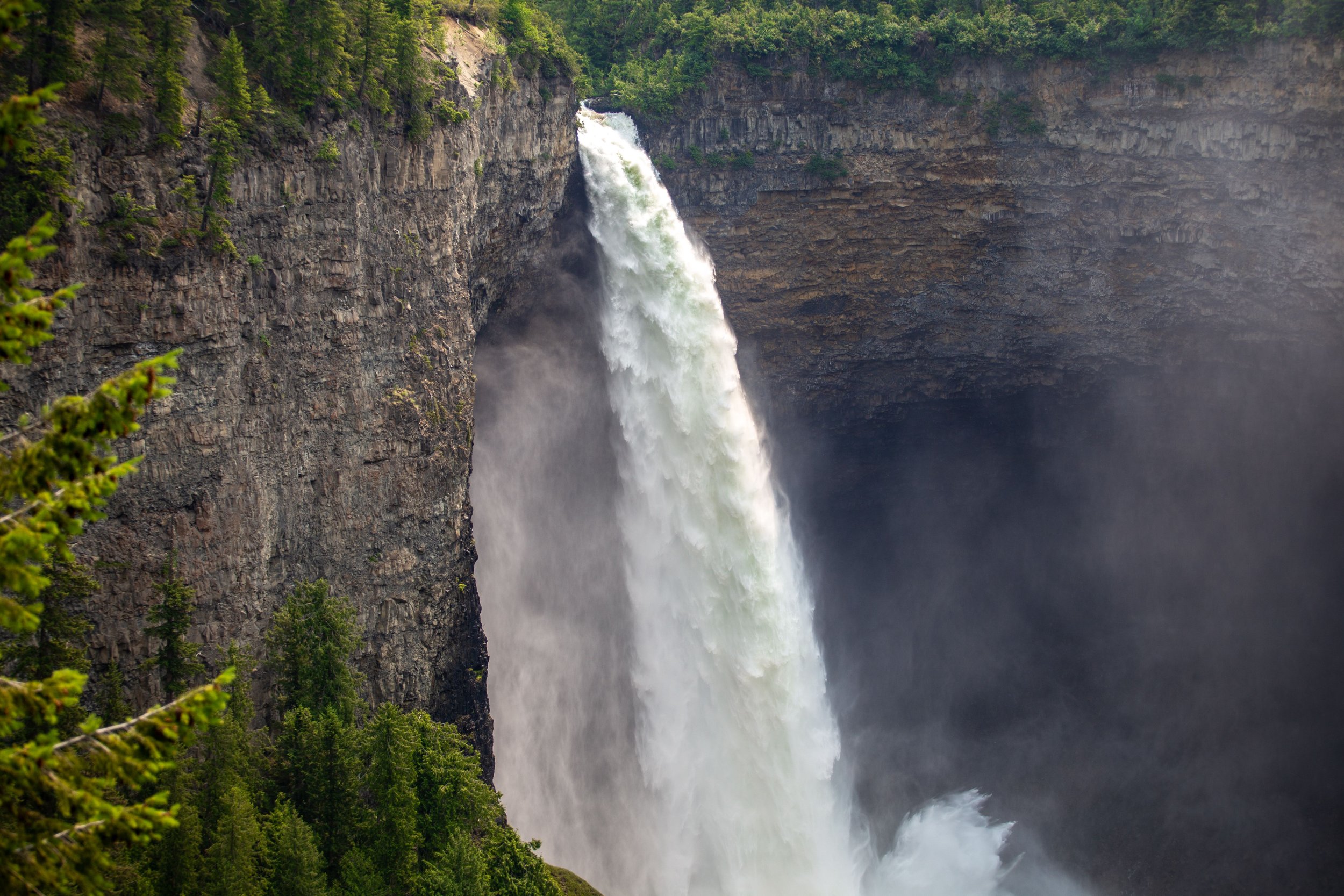
Helmcken Falls, BC
From Vancouver to Jasper: The Long Drive
You can definitely make this drive in one day, but it's a very long one. If you have the time, I'd suggest splitting it up over two days so you can actually explore some incredible areas along the way.
The Coquihala Highway in Winter
If you're driving the Coquihala Highway in winter, know that it's an intense drive. It's winding, busy with big trucks, steep, and weather can change fast. This is not a route to underestimate. Be sure to have winter tires for this highway as well.
Stopping in Clearwater
If you split your trip and head through central BC, Clearwater is absolutely worth exploring. You could easily spend a day hiking and experiencing this area. Helmcken Falls is the most famous attraction; it's stunning. I also love stopping at Moul Falls. The locals recommend eating at the Hop 'N' Hog Tap and Smokehouse while you're there; I can confirm it's really good.
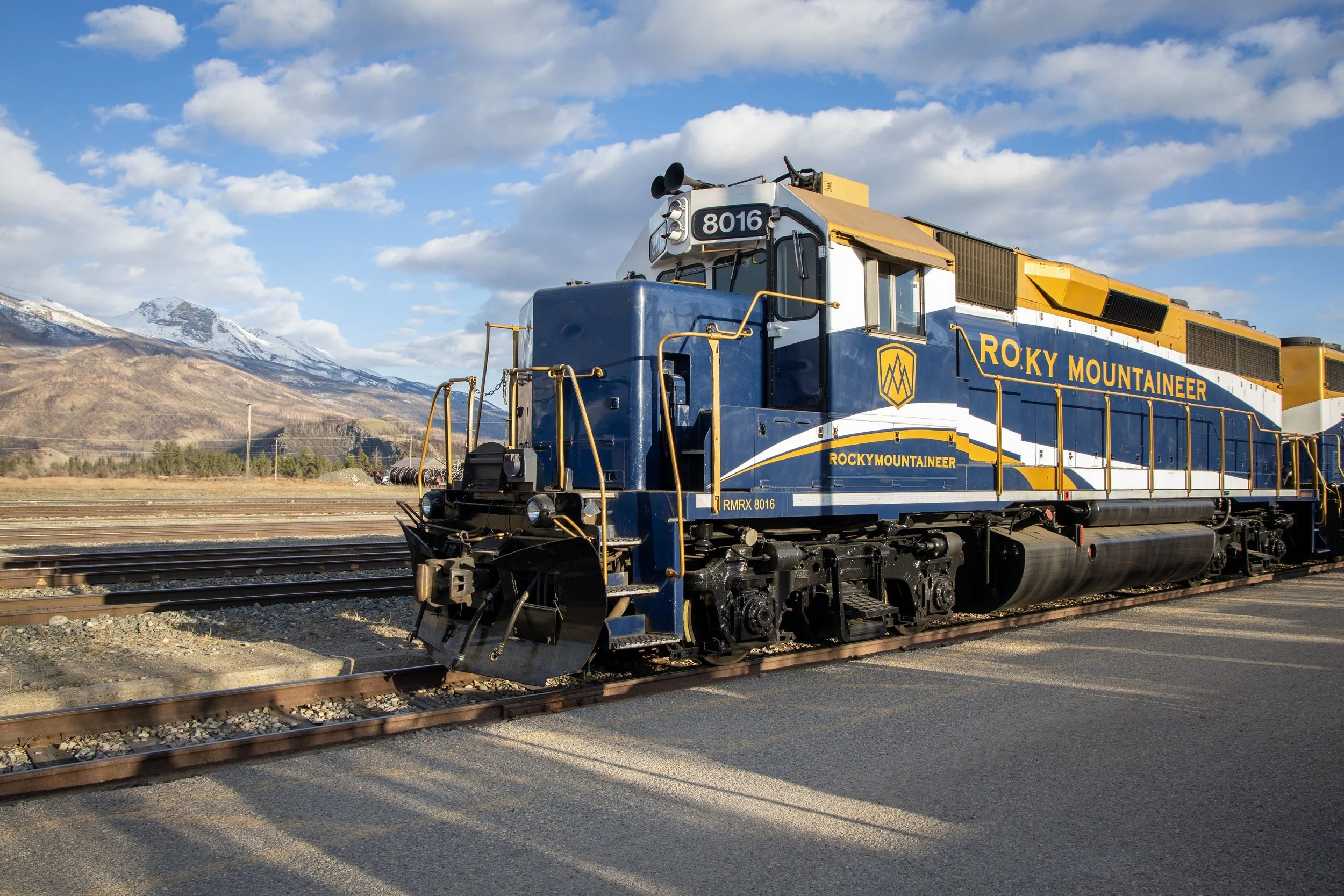
The Rocky Mountaineer at the station in Jasper
The Rocky Mountaineer Alternative
If you want to avoid the long winding highways of BC entirely, consider taking the Rocky Mountaineer train from Vancouver to Jasper. It's an experience in itself, and you won't have to worry about the intensity of driving those roads, especially in shoulder seasons.
Timing Your Drive: When to Leave
Try to drive during daylight hours whenever possible. At night, wildlife is more active on the roads, and the cooler temperatures can mean icy spots on the roads at higher elevations, depending on the season. If something goes wrong and you're in an area with no cell reception, it's much easier to flag down another vehicle for help in daylight.
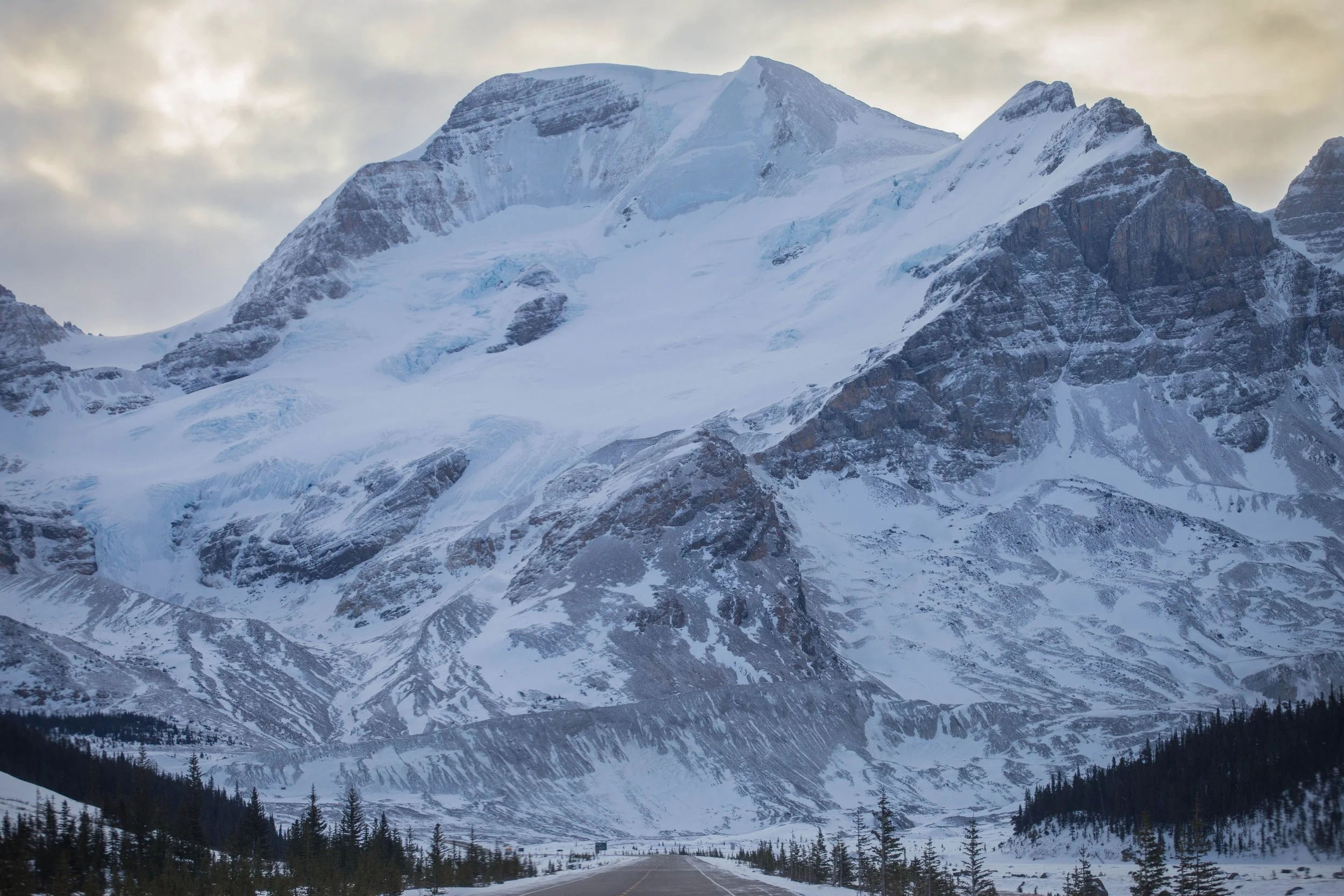
The Icefields Parkway near the Columbia Icefields in Winter.
Winter Driving: Take It Seriously
I want to be direct about this: I've seen people hit the ditch and have to hope another vehicle comes to help them out or wait until they get into reception to call for help. Winter roads through the mountains are beautiful, but they need to be taken seriously.
Winter Tires: Non-Negotiable
If you're renting a car, call your rental company ahead of time and ask specifically whether your vehicle comes with winter tires or all-season tires. This matters enormously. All-season tires do not cut it on the Icefields Parkway in winter; they just don't. Ask if they can provide a vehicle with winter tires; some companies like Ascent Car Rentals in Edmonton and Budget (which their websites claims they do) can accommodate this. If they can't, consider renting from someone who can, or choose a different season to visit.
Before you leave the rental lot, verify that the vehicle has a spare tire and a jack. Ask questions. Look at reviews online before booking. This is an important part of your preparation before the trip.
Winter Emergency Kit
Beyond winter tires, prepare your vehicle for the drive. Bring booster cables if you have them. Keep extra winter clothing layers in the car and bring/wear winter boots. Take a large warm blanket. Stash an emergency kit with a flashlight, snacks, a first aid kit, and extra water.
I've seen many people speeding in winter, lose control, and hit the ditch into deep snow. The later into fall you get, the worse the roads can become. Conditions change constantly, and a moment of inattention can cost you significantly.
The Parkway Reality
By late fall, you should expect more challenging conditions. The Parkway can be completely shut down at times; this happens most frequently in winter when Parks Canada does avalanche control and cleanup. Rockslides and accidents can close the highway in warmer seasons too. Check 511.alberta.ca for current road conditions before you leave, and have a backup plan if the highway closes.
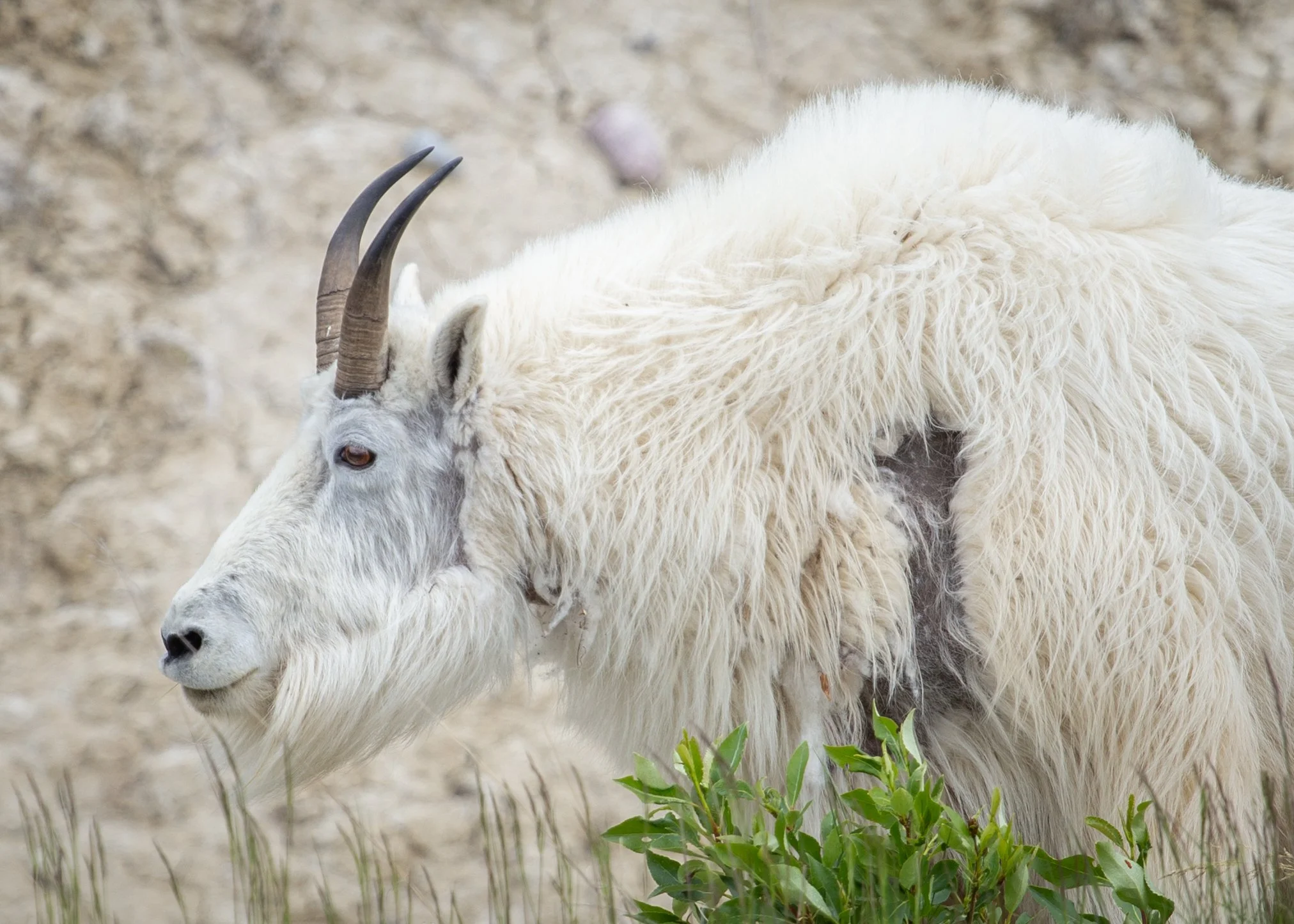
Spring drives are often quieter and you can get lucky with wildlife sightings. Just be prepared for quick weather changes.
Spring Driving: Still Unpredictable
May is when the Icefields Parkway becomes more reliable for driving, but you should still expect snowstorms. I'm writing this on May long weekend, and they're calling for 10 to 20 centimeters of snow over the Parkway this weekend. Spring in the mountains is genuinely unpredictable. Expect it, prepare for it, and drive accordingly.
Summer Driving: Best Conditions, Most Crowds
In summer, the roads are generally in the best condition for driving. However, you'll likely encounter some construction, so check 511 for updates. Wildlife jams are common and completely normal; expect delays and be patient. There's also an abundance of other travelers in the sightseeing areas, which means more traffic and more people pulling over to photograph the views.
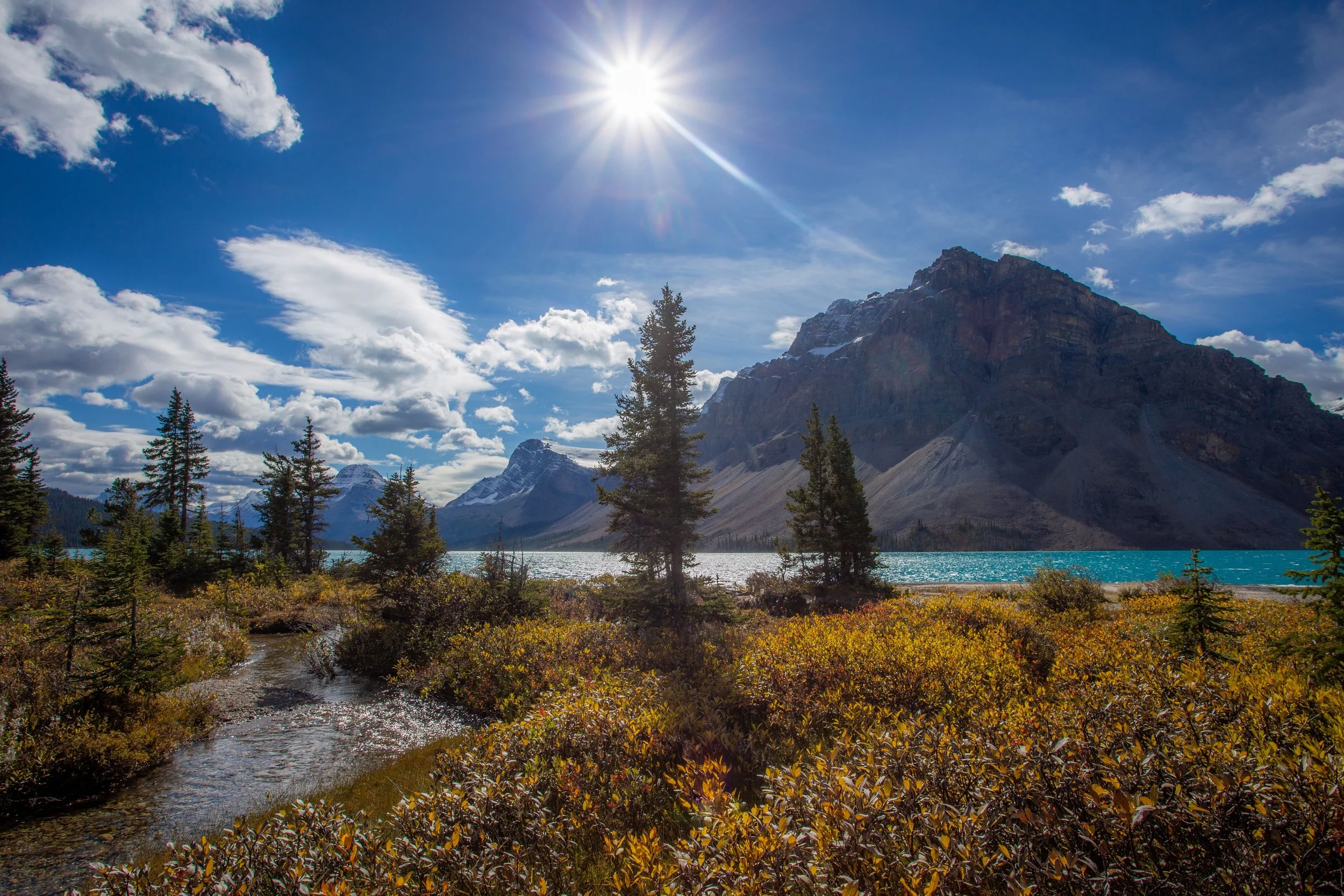
Fall Driving: A Sweet Spot
If you want a balance of generally safe road conditions and fewer crowds, mid September to early October is an excellent time to visit. The fall colours are beautiful, and the roads are still quite reliable. You get the experience of Jasper without quite as much traffic.
The Icefields Parkway: Expect to Be Disconnected
The stretch between Banff and Jasper has long sections with little to no cell reception. You get service around Banff and again near Lake Louise, but then you're mostly on your own. The Columbia Icefields Discovery Centre sometimes offers a brief signal, then you're without reception again until you reach Athabasca Falls as you approach Jasper. Every cell provider has slightly different coverage, but generally, you should prepare to be disconnected.
If you're someone who gets anxious about this, a satellite communicator like a Zoleo or Garmin inReach can be helpful. It's genuinely useful for backcountry hiking and paddling anyway, so if you do outdoor activities regularly, it's worth the investment. For a single road trip, it's probably overkill, but it's an option if you want one.
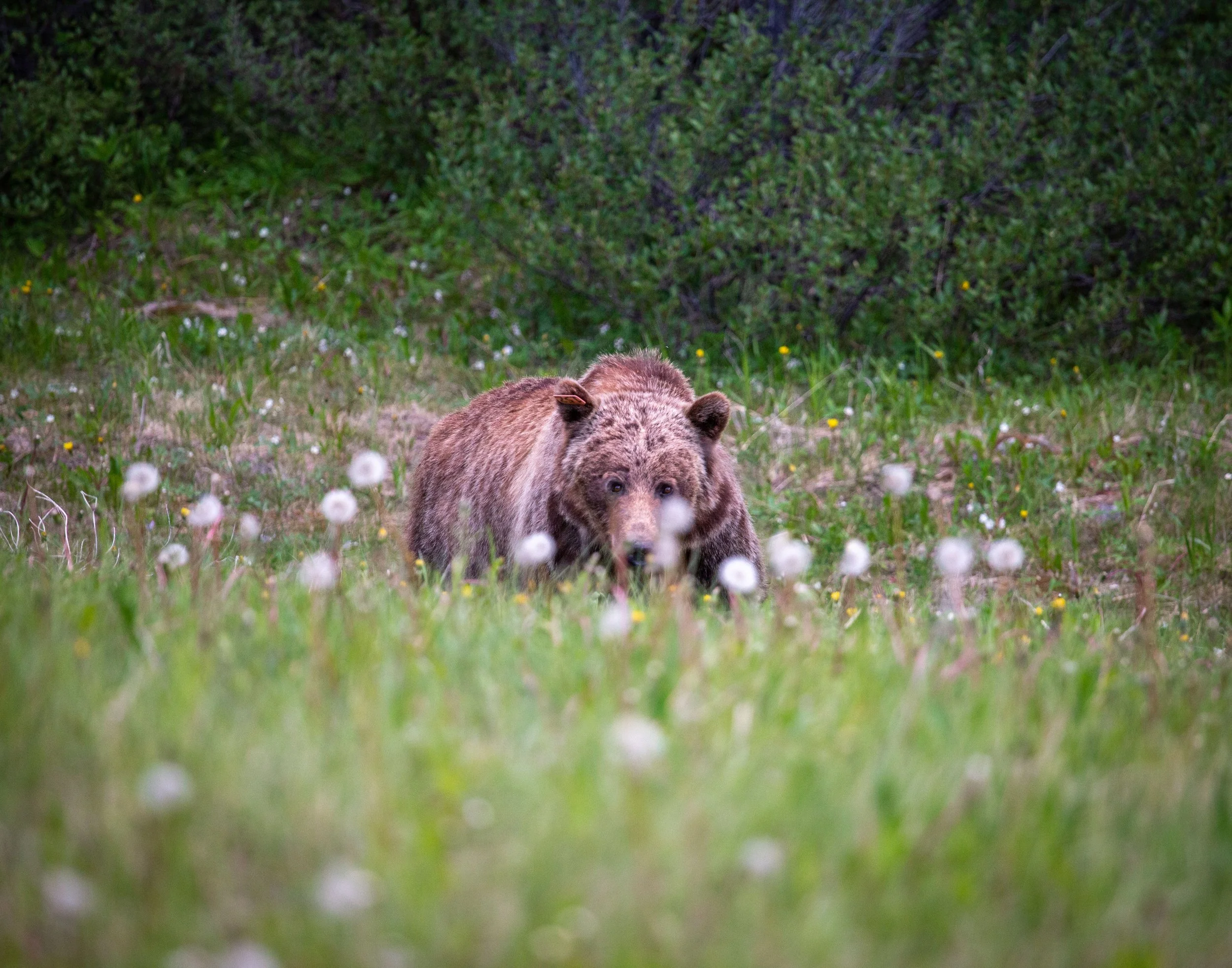
A Grizzly spotted along the Parkway.
Wildlife Jams: Expect Them and Be Respectful
Wildlife traffic jams happen all the time in summer, and you should expect some delays when driving here. It's honestly just part of life in the park. Be patient. If you decide to pull over to watch an animal, don't block the road. Stay in your vehicle.
I cannot stress this enough: never get out of your car to approach wildlife. I've seen animals charge at tourists trying to get closer; it's dangerous for the person and incredibly stressful for the animal. Keep your distance. Enjoy the view from your vehicle. This is the safe way to experience wildlife.
Weather: Pack Everything
Mountain weather changes constantly. Be prepared by bringing many different layers: a warm jacket, a rain jacket and pants, hiking boots. You might also need swimwear for beautiful beach days in summer. I often see tourists caught in the cold with inappropriate clothing because they weren't expecting the temperatures to dip in the mountains. Don't be that person. Pack layers. Prepare for everything.
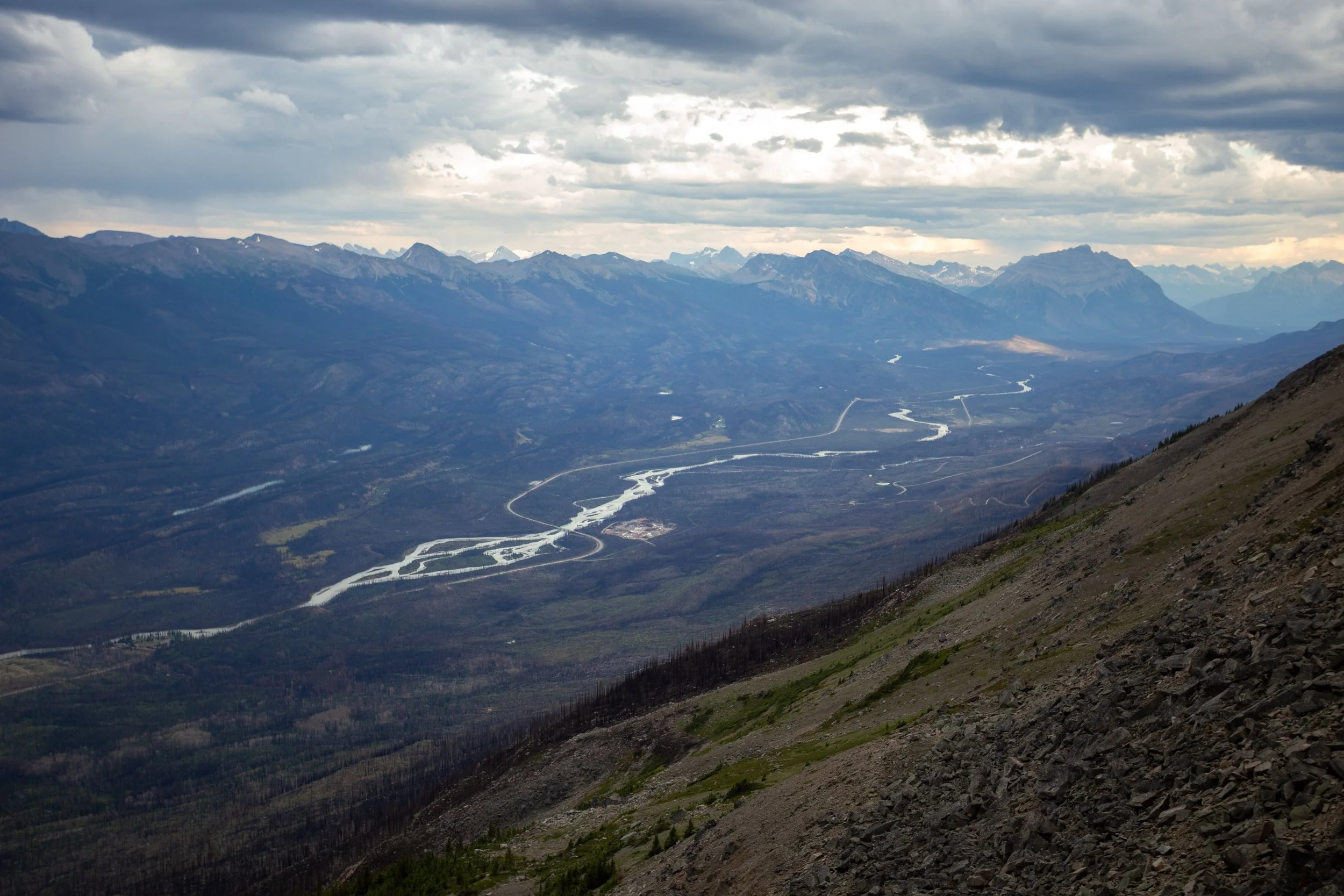
From above, you can see the Parkway winding it’s way through the burn scar in Jasper.
Post-Fire Road Updates
There are still some closures in and around Jasper after the 2024 wildfire; most notably, the Mount Edith Cavell road is currently closed. These roads need time to be made safe from rockslides before they reopen. Check with the Parks Canada info centre for the most up-to-date information on closures and road status.
The townsite itself is rebuilding, and accommodation capacity is reduced while hotels and cabins complete their reconstructions. More places are opening as 2026 progresses, but the town needs time. The new buildings will be ready soon.
Gas and Services Summary
Here's a quick reference for gas and services on your drive:
Coming from Edmonton: Gas in Hinton before entering the park. Jasper has limited options; but if you must fill up here go early or late.
Coming from Calgary via Icefields Parkway: Gas in Calgary first. Lake Louise and The Crossing are generally more expensive; bring snacks and coffee from home.
Alternative Nordegg Route: Gas in Calgary; then again in Nordegg. The Crossing can be more pricey.
Coming from Vancouver: Plan your stops ahead; fuel availability varies depending on your route through BC.
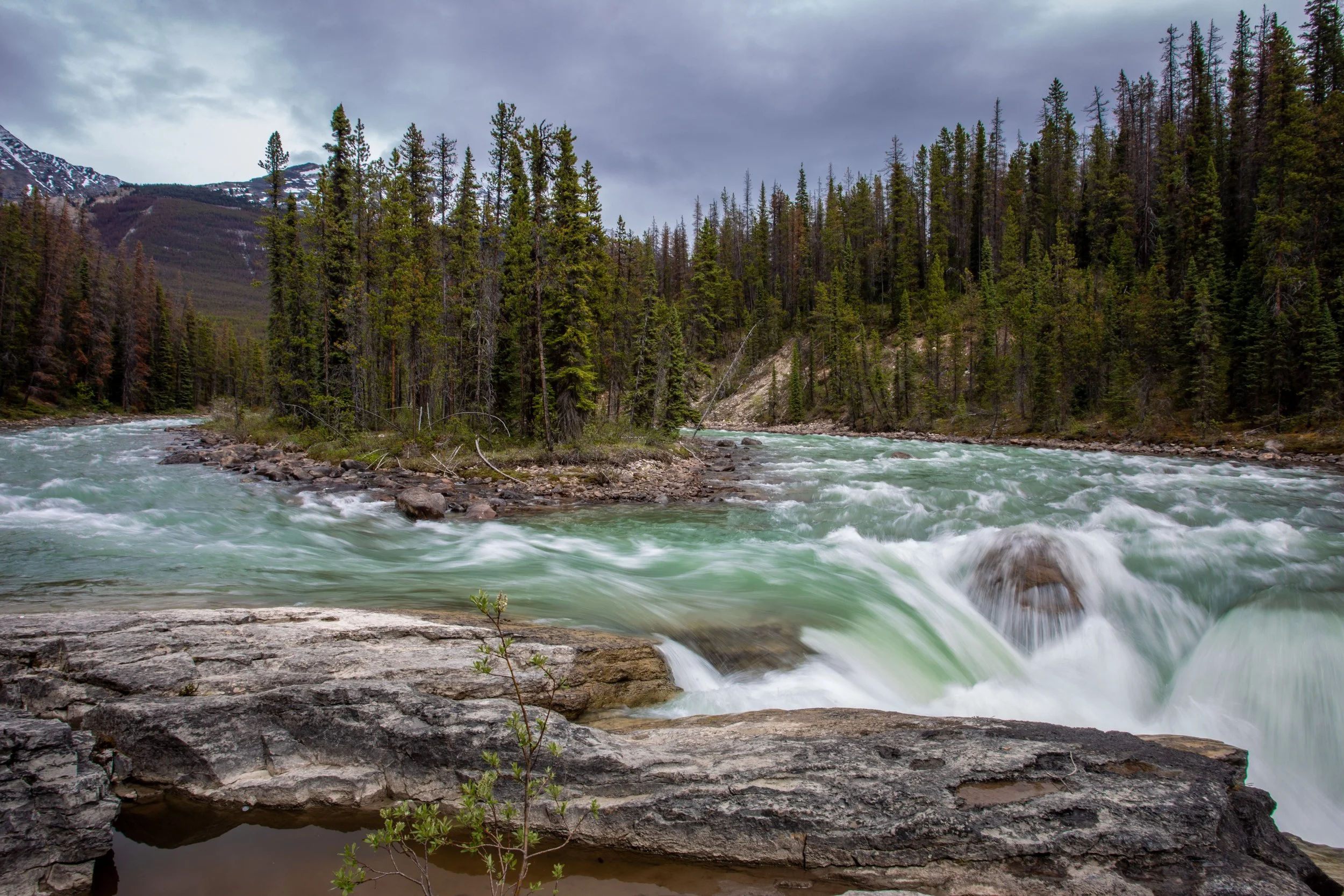
Sunwapta Falls is always an awesome quick stop along the way to Jasper.
The Photography Stops
The Icefields Parkway is genuinely one of the most scenic roads in the world. You could spend a week exploring all the stops between Banff and Jasper; there are countless photo-worthy locations. Peyto Lake is stunning. Bow Lake is gorgeous. The Columbia Icefields are breathtaking. You could easily turn a 4-hour drive into a full day if you wanted to explore all the viewpoints and short walks along the way.
If you're planning to photograph the landscapes or simply take in the scenery, build extra time into your drive. These views are worth it.
The Real Talk
Driving to Jasper is genuinely beautiful, and it's also genuinely real. These are mountain roads in a national park; they're not highways through flat farmland. Weather changes fast. Wildlife appears suddenly. Conditions can shift from safe to sketchy without much warning. Road closures happen. Delays are normal.
But here's the thing: if you prepare, if you drive with intention, if you respect the road and the environment, the drive becomes part of the magic. You're not just getting to Jasper; you're experiencing everything along the way.
So take your time. Bring layers. Gas up in the right places. Keep your phone charged and remember you might not have reception. Expect sheep and elk and maybe a bear or two. Slow down. Breathe. Take it all in.
And when you arrive in Jasper, you'll have already started the adventure.
Last Updated: May 2026
Road conditions, closures, and services change seasonally. Always check 511.alberta.ca before you leave for current conditions. Call Parks Canada's Jasper Info Centre at 780-852-6176 for up-to-date information on closures, road status, and weather.